Co-living guides
Getting the hang of co-living for the first time: getting along with housemates, shared spaces, and your first-week checklist
Living with housemates for the first time? Here's a first-week checklist covering what to pack when you move, the three things to do on day one, how to get along with housemates, shared-space etiquette, and a reminder for foreign residents about registering your residence address.
Seal Co-living team Updated 5 min read Translated from Chinese · 中文原文
On this page
- What should you bring when you move into a co-living house?
- What are the first three things to do on move-in day?
- How do you get along well with your housemates?
- What are the unwritten rules for the kitchen, bathroom and washing machine?
- First-week checklist
- Where can you start getting to know your housemates?
- Notes
Sharing a home with people you have never met can make anyone a little nervous the first time. In fact, most small frictions in co-living come from "not agreeing on things first". This guide brings together the most useful ways to prepare and to live together, before and after you move in. Follow them, and your first week will go much more smoothly.
What should you bring when you move into a co-living house?
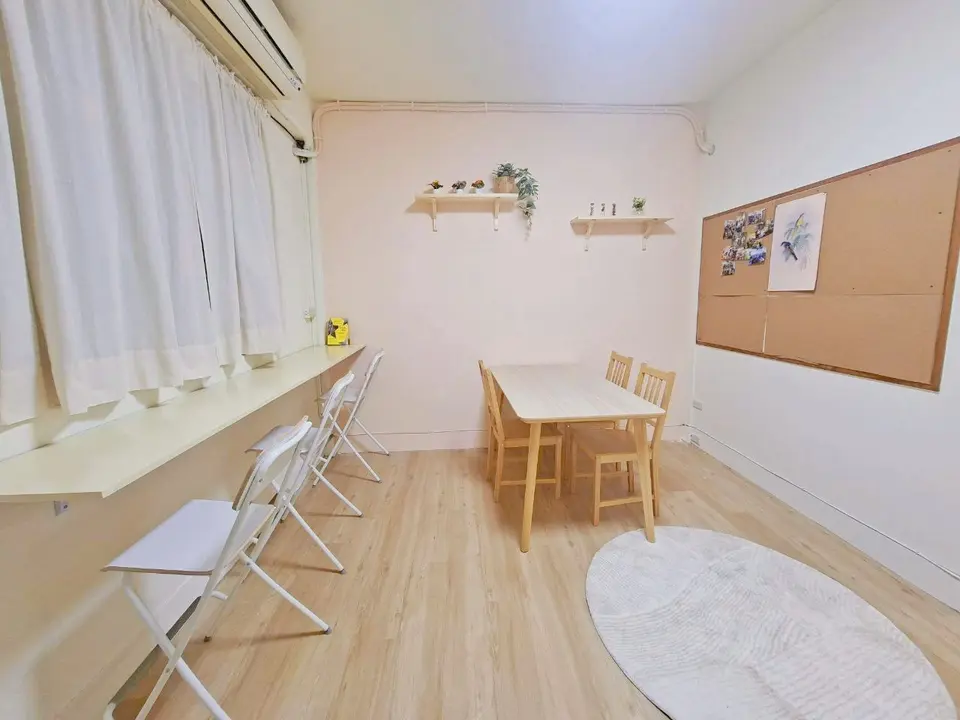
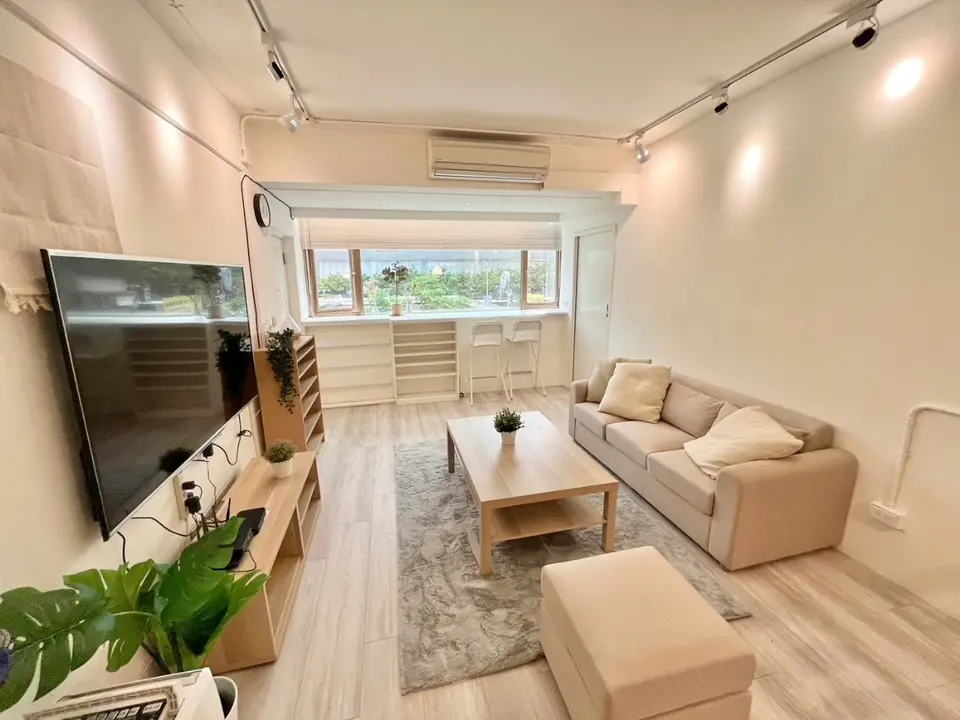
Take Seal Co-living as an example. Your room already has air conditioning, a desk and chair, a wardrobe, a bed frame, a mattress and a mattress protector. The shared spaces have a kitchen, a fridge, a washing machine and Wi-Fi. Shared supplies such as toilet paper, dish soap and rubbish bags are included in the monthly utilities fee of NT$1,000. So here is what you need to bring:
- Bedding: a pillow, a duvet and sheets. They are not listed on our website, so we suggest bringing your own or asking before you move in.
- Personal toiletries: shampoo, body wash and towels.
- Laundry supplies: laundry detergent is not listed among the shared supplies, so you may want to bring your own.
- Small storage: personal space in a shared room is limited, so stackable storage boxes are very handy.
- Documents: when you book a viewing, ask which documents you need to bring to sign the lease.
What are the first three things to do on move-in day?
- Take photos of the room's condition: the mattress, desk and chair, walls and air conditioner. Photograph any damage first. The rental housing act says that when the lease ends, both parties must check and hand over the condition of the home and its equipment together (Article 12)1. Keeping a record from the day you move in makes disputes less likely later.
- Confirm who to contact: who should you call when something breaks or the hot water is not hot? The law also requires the landlord to explain the scope of repairs and give contact details before the lease is signed (Article 8)1.
- Ask about the rules for shared spaces: how the fridge and cupboards are divided, how rubbish is handled, and whether there are quiet hours or visitor rules. Ask about all of it at once when you move in.
How do you get along well with your housemates?
- Talk about your daily routines first: what time you go to bed, what time you leave home, and whether you have online meetings at home. When you book a viewing, our form asks what time you usually fall asleep; after you move in, talk about it once more with your housemates face to face.
- Noise and light: in a shared room, wearing headphones at night and using a small light when you get up early are the most basic courtesies.
- Agree on shared items first: make it clear from the start whether you will share food and seasonings. That is much better than awkward moments later.
- If something bothers you, say so directly and politely: do not let feelings build up. If you really cannot agree, get in touch with the contact person you confirmed when you moved in.
What are the unwritten rules for the kitchen, bathroom and washing machine?
- Kitchen: wash up as soon as you finish, wipe the counter dry, and do not leave food waste or rubbish overnight.
- Bathroom: every Seal Co-living house has 2 to 3 bathrooms. During the morning rush, try to use them at slightly different times from your housemates.
- Washing machine: take your laundry out as soon as it is done, so the next person does not have to wait.
- Laundry balcony: take your clothes in once they are dry and leave space for others.
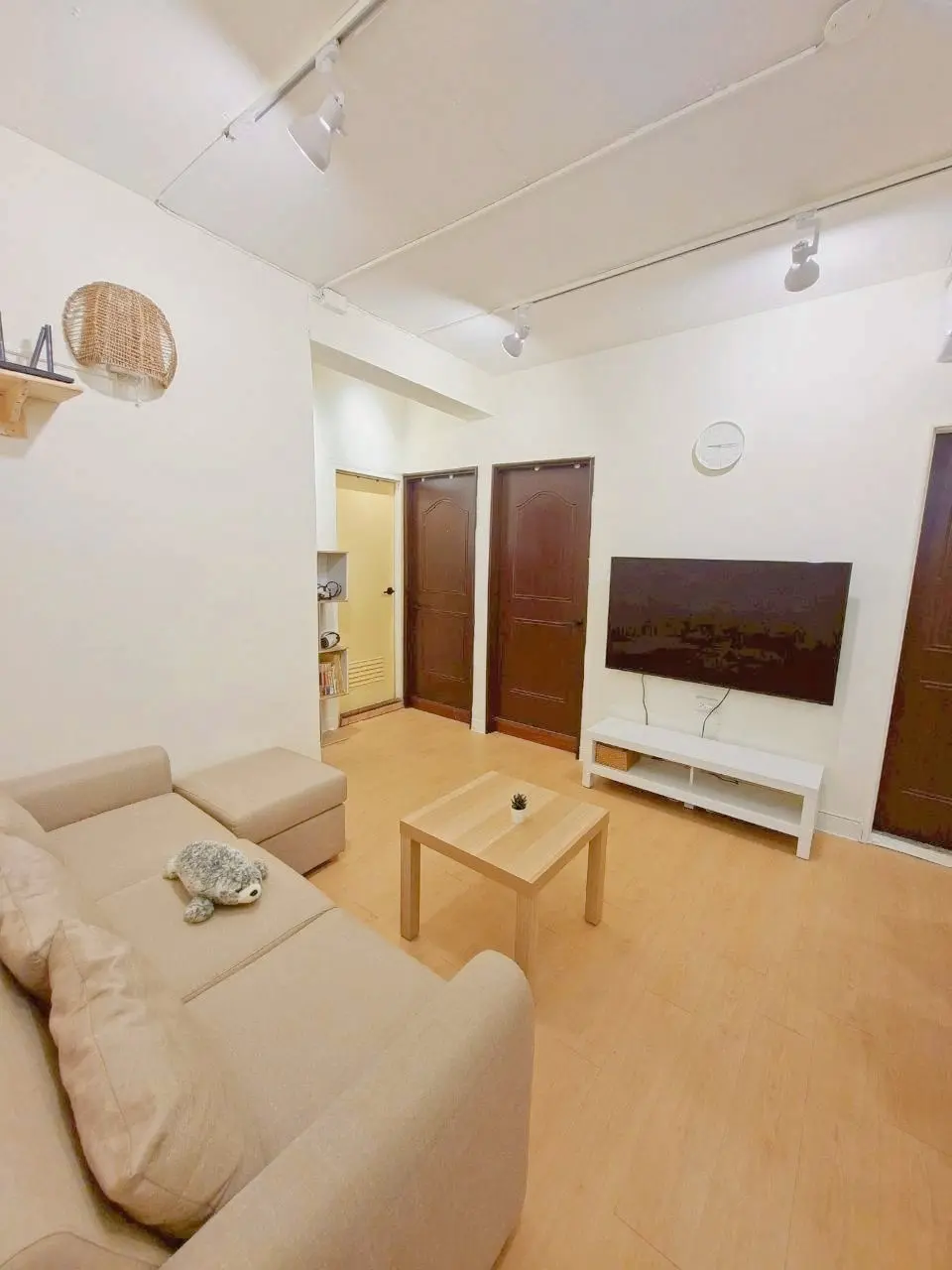
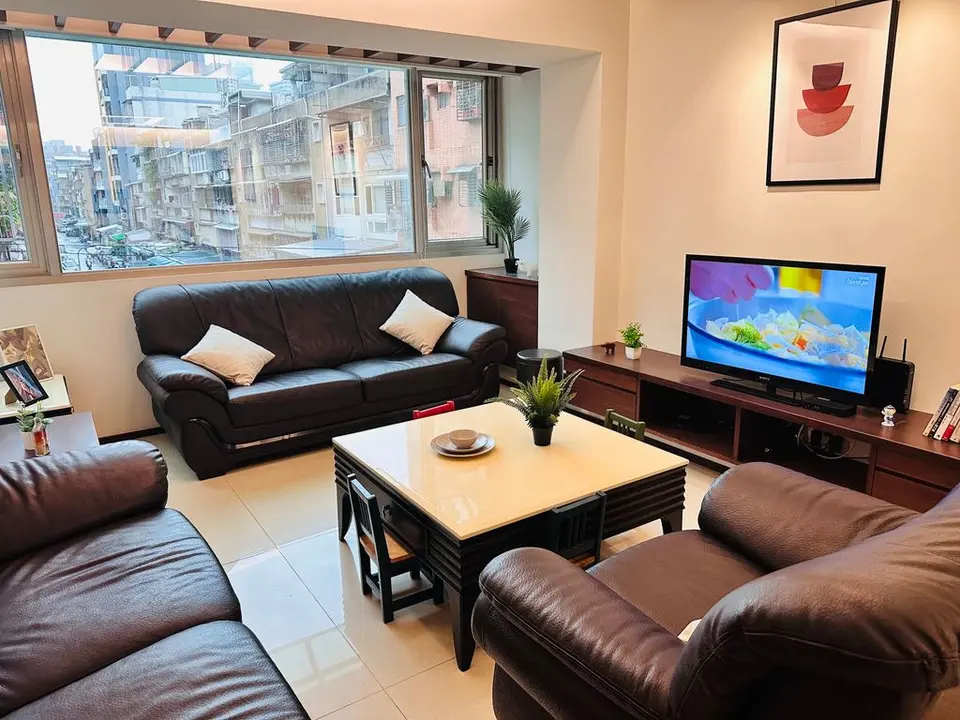
- Living room and work area: these spaces belong to everyone, so do not leave personal things there for a long time.
First-week checklist
- Take photos of the condition of your room and its equipment
- Save the contact details for repairs and emergencies
- Ask about the rules for the fridge, rubbish, quiet hours, visitors and so on
- Say hello to your housemates and chat about each other's daily routines
- Try your commute once for real and work out what time you need to leave
- If you are a foreign national who has just entered Taiwan with a residence permit: within 30 days from the day after you enter, apply to the National Immigration Agency for an ARC (Alien Resident Certificate). This is Article 22 of the Immigration Act; you do not need to apply if you already hold a document that works as an ARC, such as a four-in-one card2
- If you are a foreign national who already has an ARC and is moving house: within 30 days from the day after the move, you need to change your registered residential address (Article 31 of the same Act). You usually need to bring documents such as your passport, your ARC and your lease3. If you need your lease as proof, ask us first which documents we can provide
Where can you start getting to know your housemates?
Our housemates have held barbecues, gone cycling at weekends, got together for mountain climbs and hikes, and swapped gifts at Christmas. In September 2026, we also opened sign-ups for residents to join the "Seal Co-living BBQ Party". When there is an event, just go along once: that is often how people start becoming friends.
If you are still looking for a room, you can first browse the house list to see each house's shared spaces and room types, or book a viewing and come to get a feel for how the housemates live.
Notes
-
Rental Housing Market Development and Regulation Act (租賃住宅市場發展及管理條例, amended 112-02-08 in the ROC calendar), Laws & Regulations Database of the Republic of China (Taiwan) https://law.moj.gov.tw/LawClass/LawAll.aspx?pcode=D0060125, retrieved 2026-10-05. ↩ ↩2
-
Immigration Act (入出國及移民法, amended 112-06-28 in the ROC calendar), Laws & Regulations Database of the Republic of China (Taiwan) https://law.moj.gov.tw/LawClass/LawAll.aspx?pcode=D0080132, retrieved 2026-10-05. ↩
-
National Immigration Agency, Ministry of the Interior, FAQ "During their period of residence, within how many days must foreign nationals apply to change their residential address or workplace?" (updated 2025-05-13) https://www.immigration.gov.tw/5385/12162/12197/371903/, retrieved 2026-10-05. The documents actually required are as determined by the National Immigration Agency service centres. ↩